How does the Best Interventional Radiologist in Noida at Dr. Ankit Jain perform minimally invasive procedures?
Modern medicine has evolved significantly with the introduction of minimally invasive procedures that allow doctors to treat complex conditions with greater precision and less recovery time. These procedures are performed using advanced imaging technology to guide instruments through tiny incisions or natural body openings. Patients looking for the Best Interventional Radiologist in Noida often seek a specialist who can provide accurate diagnosis and effective treatment using these innovative techniques.
For fast information, direct chat with us on WhatsApp.
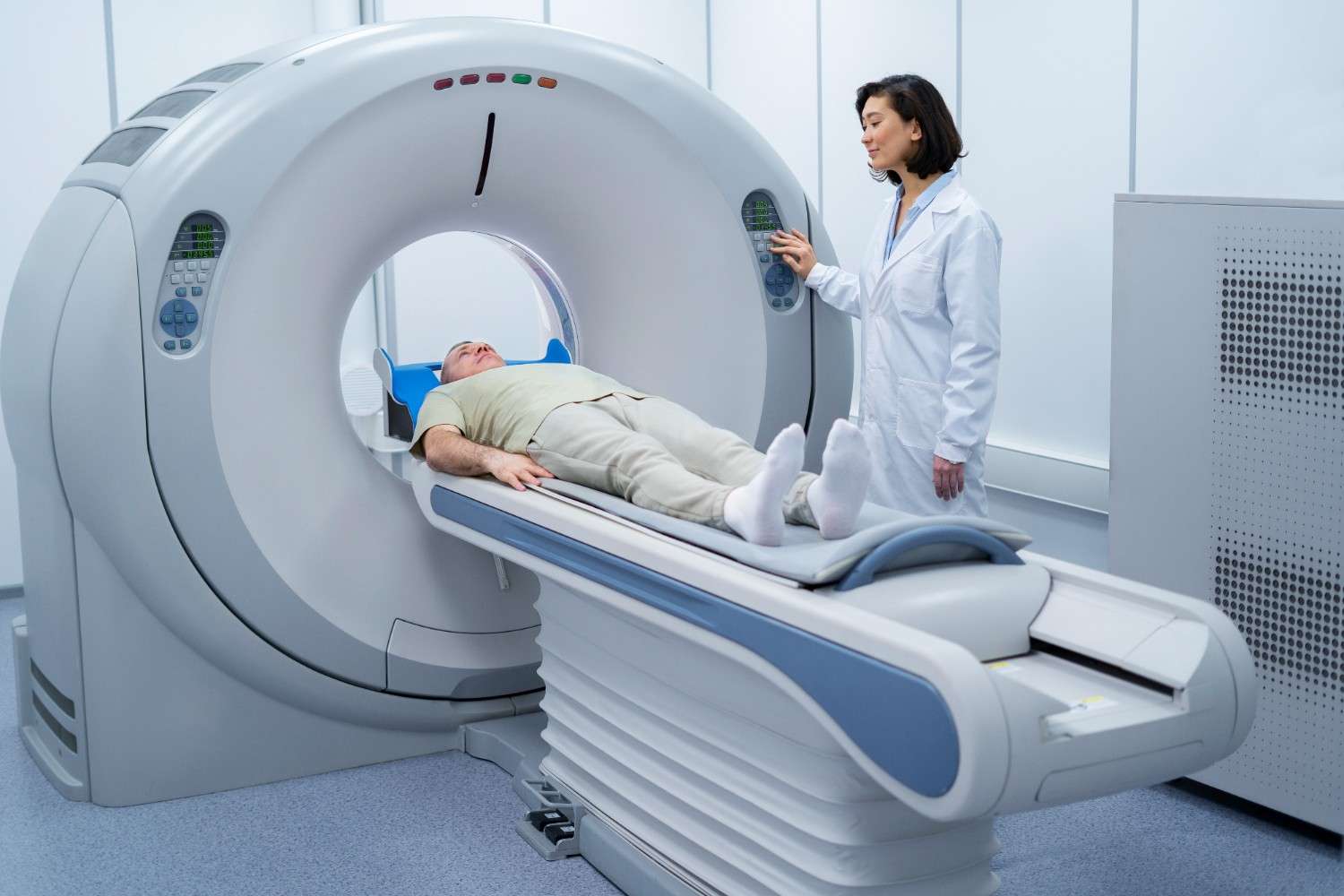
Dr. Ankit Jain is recognized for offering advanced interventional radiology services that focus on patient safety, precision, and faster recovery. The Best Interventional Radiologist in Noida uses specialized imaging systems such as ultrasound, CT scans, and fluoroscopy to guide small instruments inside the body. This approach allows many medical conditions to be treated without the need for traditional open surgery.
Understanding the Role of the Best Interventional Radiologist in Noida
Interventional radiology is a medical specialty that uses imaging techniques to diagnose and treat diseases through minimally invasive procedures. Instead of large surgical incisions, doctors use thin tubes called catheters, along with imaging guidance, to reach the targeted area.
The Best Interventional Radiologist in Noida focuses on treating a wide range of medical conditions using this advanced approach. These procedures can address vascular disorders, tumors, infections, and other health concerns.
By using imaging technology for guidance, doctors can perform treatments with greater accuracy while minimizing damage to surrounding tissues.
What Are Minimally Invasive Procedures?
Minimally invasive procedures are treatments performed through very small incisions or through blood vessels using specialized instruments. Patients consulting the Best Interventional Radiologist in Noida often benefit from these techniques because they typically involve less pain and faster recovery compared to traditional surgery.
During these procedures, a catheter or needle is inserted into the body and carefully guided to the treatment site using imaging technology. The doctor can then deliver medication, remove blockages, or perform targeted therapy directly at the affected area.
This precise approach reduces the need for large surgical cuts and helps improve patient outcomes.
Imaging Technology Used by the Best Interventional Radiologist in Noida
Advanced imaging technology is essential for performing interventional radiology procedures. The Best Interventional Radiologist in Noida relies on several imaging techniques to guide instruments accurately inside the body.
Common imaging methods include ultrasound, CT scans, fluoroscopy, and MRI. These technologies provide real-time images that help doctors visualize blood vessels, organs, and tissues during the procedure.
By monitoring the instruments on a screen, the doctor can perform treatments with precision while avoiding unnecessary trauma to nearby structures.
Conditions Treated by Interventional Radiology
Interventional radiology can be used to treat a variety of medical conditions. Patients seeking care from the Best Interventional Radiologist in Noida may receive treatment for vascular disorders, tumors, and other complex conditions.
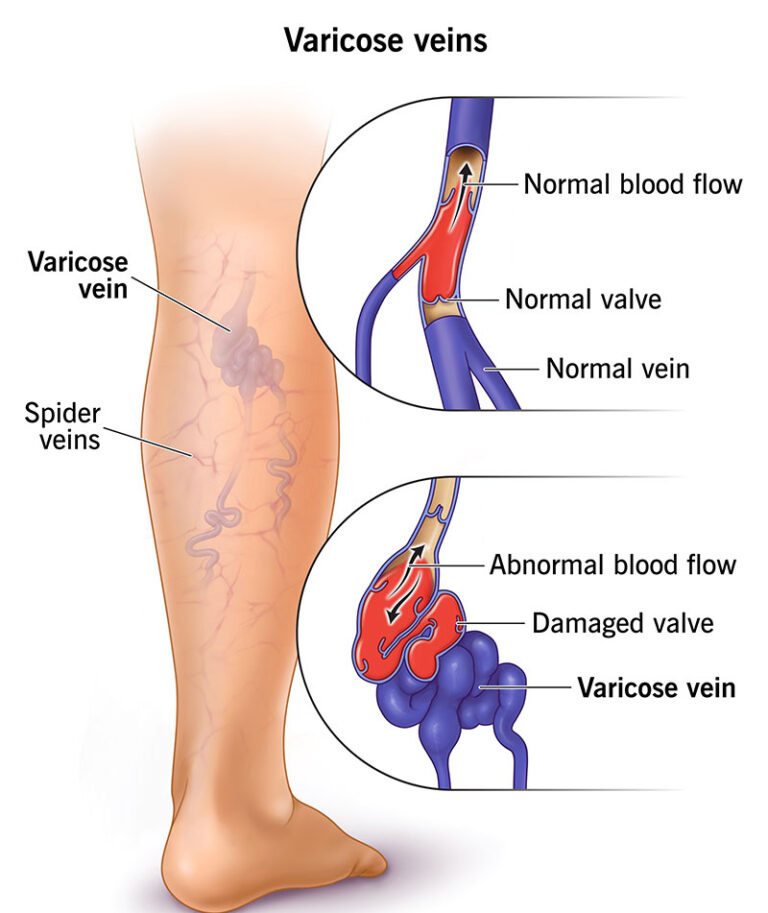
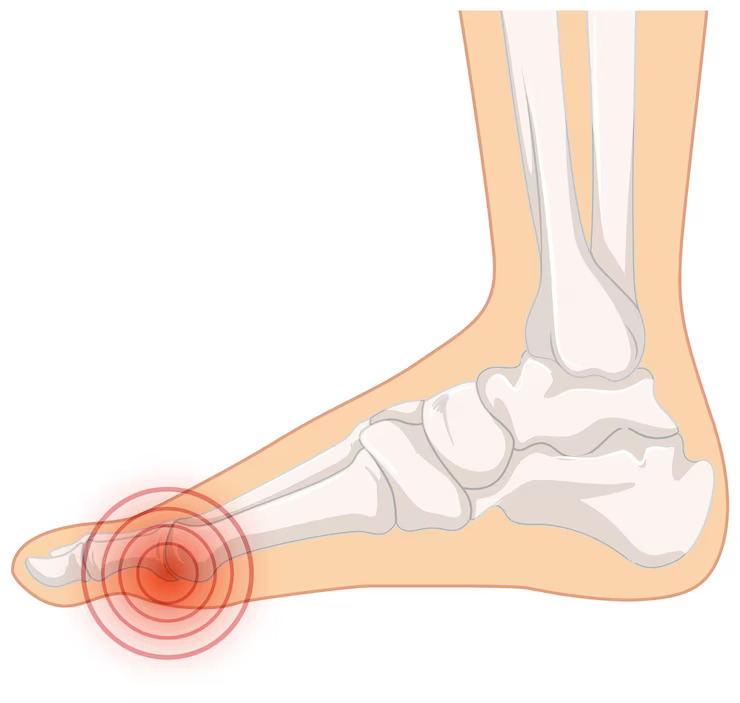
Some commonly treated conditions include blocked blood vessels, varicose veins, certain types of tumors, and chronic pain caused by nerve compression. Interventional radiology techniques may also be used to control internal bleeding, drain infections, or deliver targeted therapies.
These procedures provide effective treatment options for patients who may not be suitable candidates for traditional surgery.
Step-by-Step Process of Minimally Invasive Procedures
The procedure performed by the Best Interventional Radiologist in Noida typically follows a carefully planned process to ensure safety and accuracy.
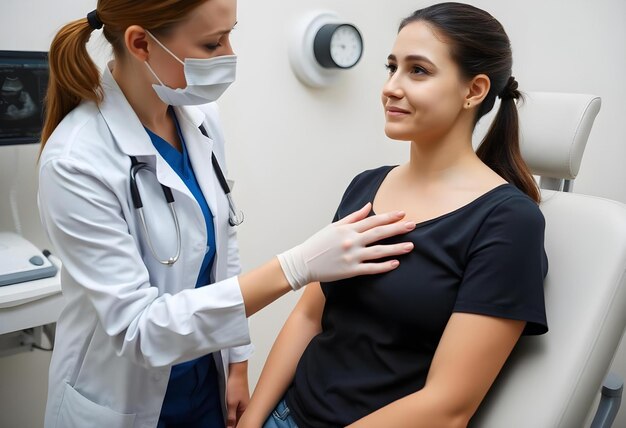
First, the patient undergoes diagnostic imaging to identify the exact location of the problem. Once the target area is identified, the doctor prepares the patient for the procedure by administering local anesthesia or mild sedation.
A small incision or needle entry point is then made, allowing the catheter or instrument to be inserted into the body. Using real-time imaging guidance, the doctor carefully navigates the instrument to the affected area.
Once the instrument reaches the target location, the necessary treatment is performed. After the procedure is completed, the catheter is removed and the small incision is covered with a bandage.
Advantages of Minimally Invasive Treatment
One of the major benefits of consulting the Best Interventional Radiologist in Noida is the availability of minimally invasive treatments that offer several advantages over traditional surgery.
These procedures usually involve smaller incisions, which means less scarring and reduced risk of infection. Patients often experience less pain and require shorter hospital stays.
Another advantage is faster recovery time. Many patients are able to resume their normal activities much sooner compared to conventional surgical procedures.
Importance of Personalized Treatment Planning
Every patient’s condition is different, and successful treatment requires individualized planning. The Best Interventional Radiologist in Noida evaluates each patient carefully before recommending a procedure.
Diagnostic imaging, medical history, and current health conditions are considered when developing a treatment plan. This personalized approach ensures that the selected procedure is appropriate for the patient’s specific needs.
By tailoring the treatment strategy, doctors can achieve better outcomes and reduce the likelihood of complications.
Post-Procedure Care and Recovery
Recovery after a minimally invasive procedure is typically faster than recovery from traditional surgery. However, proper post-procedure care remains important.
Patients treated by the Best Interventional Radiologist in Noida receive detailed instructions on how to care for the incision site and manage any temporary discomfort. Follow-up visits may also be scheduled to monitor healing and ensure the success of the treatment.
Most patients can return to normal activities within a short period, depending on the type of procedure performed.
Advancements in Interventional Radiology
Interventional radiology continues to evolve with the development of new technologies and treatment techniques. The Best Interventional Radiologist in Noida uses modern equipment and updated medical practices to deliver safe and effective care.
These advancements allow doctors to treat complex conditions that previously required open surgery. Improved imaging systems also enhance precision and reduce procedure time.
By staying updated with the latest medical innovations, specialists can offer patients more effective and less invasive treatment options.
Conclusion
Minimally invasive procedures have transformed modern healthcare by providing safer and more efficient treatment options for many medical conditions. Interventional radiology plays a key role in this transformation by combining advanced imaging technology with precise medical techniques.
Patients consulting the Best Interventional Radiologist in Noida benefit from treatments that focus on accuracy, reduced recovery time, and improved overall outcomes. Dr. Ankit Jain uses advanced imaging guidance and minimally invasive methods to diagnose and treat a wide range of medical conditions.
By choosing expert care and modern medical technology, patients can receive effective treatment while experiencing less discomfort and faster recovery. Early consultation with a specialist can help ensure timely diagnosis and the most appropriate treatment plan for each individual.
To make an appointment, go to https://drankitinterventionalradiologist.com/ and receive expert advice from Dr. Ankit Jain.